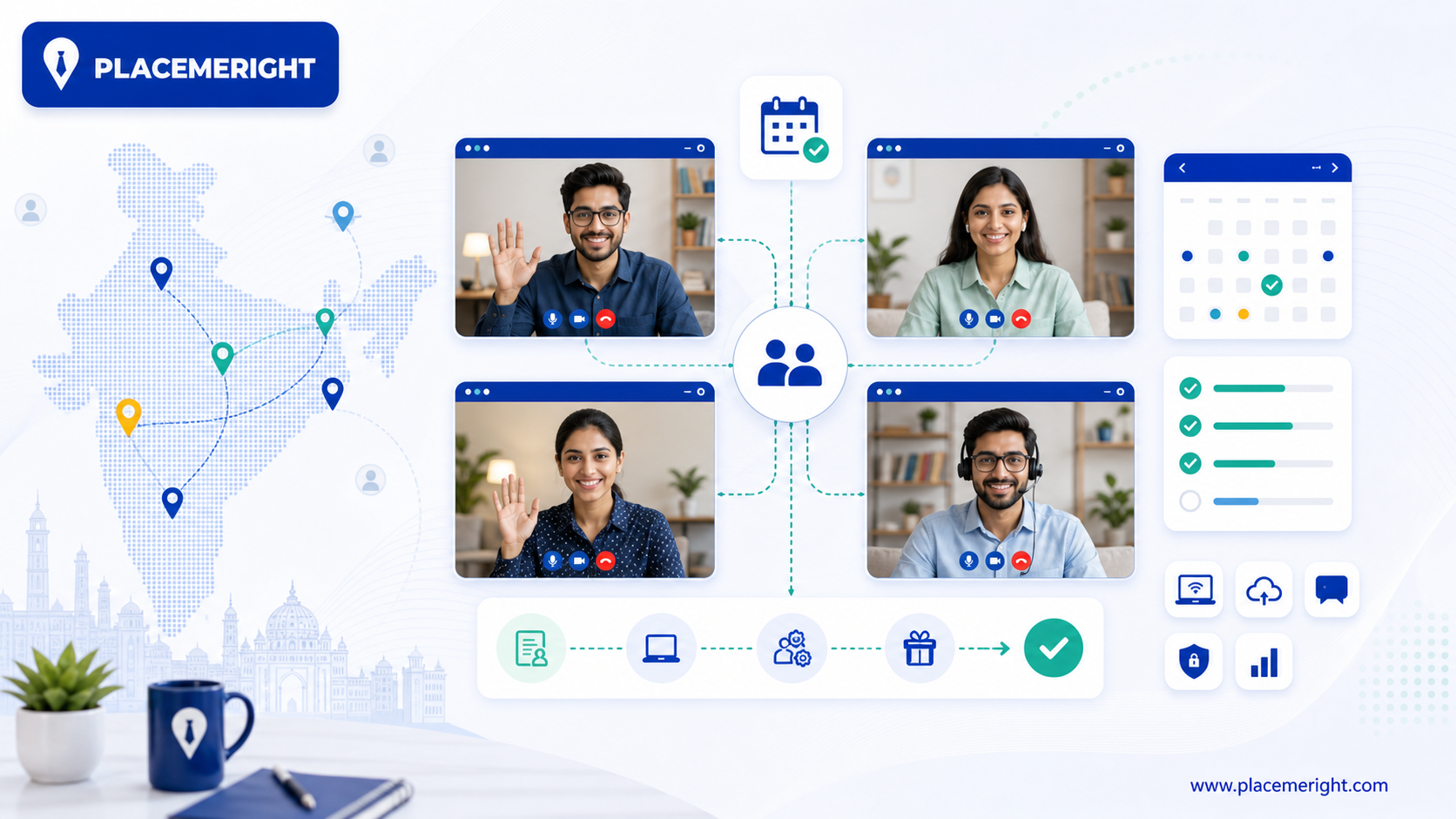
Remote Hiring Is No Longer Just A Flexibility Benefit
Remote and hybrid hiring have become normal parts of Indian technology recruitment. Companies use distributed hiring to access wider talent pools, reduce location constraints and compete for specialists who may not want to relocate. But remote hiring also exposes weak process design. If the role is unclear or communication is slow, candidates disengage quickly.
A strong tech recruitment agency in India helps employers build a remote hiring process that feels structured, credible and candidate-friendly. The goal is not to hire from anywhere without discipline. The goal is to widen access while protecting quality.
Fix Role Expectations Before Sourcing
Remote and hybrid roles require more clarity than office-first roles. Candidates want to know the number of office days, working hours, collaboration expectations, equipment support, travel needs and whether remote work is permanent or temporary.
If these details are unclear, recruiters may attract candidates who later reject the process. Employers should define work model expectations before outreach begins. This reduces mismatch and improves candidate trust.
Design Interviews For Distributed Teams
Remote interviews should be structured and respectful. Candidates should know who they will meet, what each round will assess and when feedback will be shared. Interviewers should avoid repeating the same questions across rounds because this makes the company appear disorganised.
For technical roles, practical discussions and role-specific problem solving work better than long generic assignments. Employers should also check whether candidates can collaborate well in distributed settings, document decisions and communicate asynchronously.
Candidate Communication Matters More Remotely
When candidates do not visit an office, their impression of the company is shaped almost entirely by communication. Slow replies, unclear scheduling or missing feedback can weaken trust. Strong candidates may assume the role is not serious and move to another employer.
A specialist IT recruitment agency in India can keep communication consistent across screening, interviews, offers and joining. This is especially important for remote candidates managing multiple opportunities.
Do Not Ignore Onboarding Risk
Remote hiring does not end at offer acceptance. Joining risk remains high if candidates feel disconnected or uncertain during the notice period. Employers should share onboarding timelines, reporting structure and first-week expectations before joining.
Through recruitment process outsourcing India, PlaceMeRight helps companies track candidate engagement beyond offer acceptance. This protects the hiring outcome and reduces late-stage drop-off.
Assess Remote Collaboration, Not Only Technical Skill
Remote and hybrid employees need more than technical capability. They must communicate clearly, document decisions, raise blockers early and collaborate without constant supervision. Interviewers should ask about previous distributed work, async communication habits and how the candidate manages ambiguity.
This does not mean rejecting candidates without remote experience. It means checking whether they have the behaviours needed to succeed in a distributed team.
Onboarding Should Start Before Joining
For remote candidates, onboarding confidence begins during the notice period. Employers should share reporting structure, tools, first-week expectations and key team contacts before joining. This reduces anxiety and helps candidates feel connected before day one.
A recruitment partner can keep communication active after offer acceptance, track joining risk and make sure candidates do not disappear into silence during the notice period.
FAQs
Is remote tech hiring effective in India?
Yes, when employers define work expectations clearly and maintain structured screening, communication and onboarding.
What causes remote candidates to drop off?
Common reasons include unclear work model, slow feedback, weak employer communication, compensation mismatch and lack of confidence in the role.
How can companies improve hybrid hiring?
Companies should state office expectations upfront, coordinate interviews faster and keep candidates updated through every stage.
Conclusion
Remote and hybrid hiring can expand the talent pool, but only if the hiring process is mature enough to support it. To build a stronger distributed tech hiring process, speak with PlaceMeRight.
External references: Microsoft Work Trend Index, LinkedIn recruiting trends.
Tags:
Misri Soni
PlaceMeRight recruitment insights